
Countering Extremism and Terrorism between Islamic Sharia and Iraqi Law: An Analytical Study in Light of Moderate Thought in Iraq
The heavy legacy left by terrorist organizations and extremist groups within societal thought, along with the repercussions of the attacks to which society has been subjected over prolonged and repeated periods, places a significant burden upon academic institutions—foremost among them universities—to assume responsibility for combating such assaults. This is particularly so because these attacks are intellectual in nature and cannot be confronted except through an opposing, moderate intellectual framework.
Given that we live in a society whose intellectual drivers are rooted in two principal pillars, the first consists of religious institutions and their platforms. Through continuous religious instruction and guidance throughout the year, these institutions provide influential religious motivation to recipients, as part of acts of worship and devotion to God. The second intellectual driver is the university, as a distinguished institution engaged in diverse fields of knowledge, confronting challenges and generating solutions through distinguished professors possessing comprehensive cultural awareness. Universities address a vital—indeed the most crucial—segment of society: the youth, who are the most susceptible to intellectual influence, whether positive or negative.
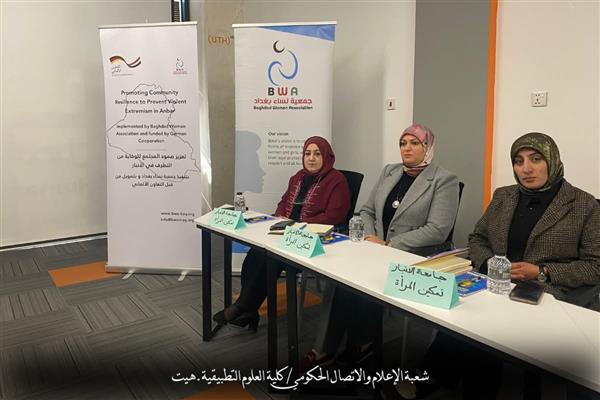
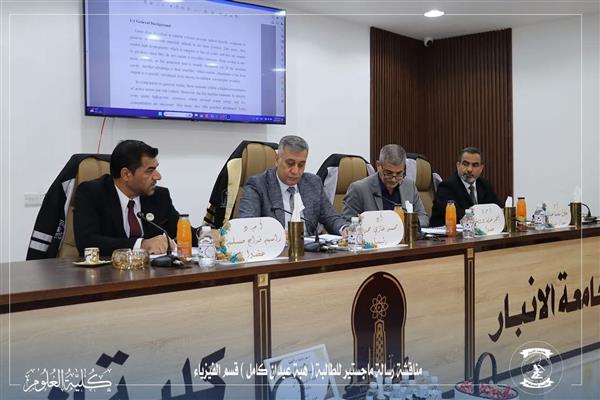
Whenever universities assume their intellectual role effectively, they become the primary intellectual influence within society, as they disseminate scientific and cultural messages that extend beyond campus walls to all segments of society. This transmission occurs through thousands of bearers of this noble mission—students and others—via lectures, seminars, workshops, training courses, and constructive and effective dialogues organized and sponsored by the university.